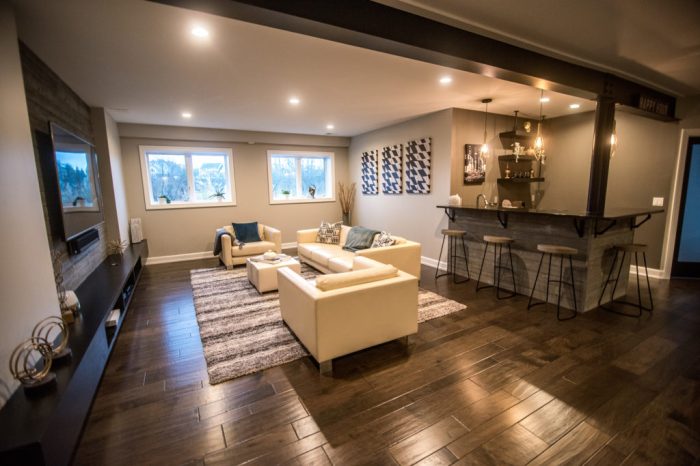
As basement finish planning takes center stage, this opening passage beckons readers into a world crafted with good knowledge, ensuring a reading experience that is both absorbing and distinctly original.
This process involves various elements like space assessment, design considerations, and legal requirements that can transform an underutilized area into a vibrant part of your home. Understanding the nuances of basement finishing can significantly enhance both functionality and aesthetics while ensuring compliance with local regulations.
Basement Finish Planning Overview
Planning a basement finish is an intricate process that requires careful consideration of various factors to create a functional and aesthetically pleasing space. The essential elements include assessing the available space, understanding the layout, and ensuring compliance with local building codes and regulations. Each of these components plays a critical role in determining the overall success of your basement renovation.Assessing the space and layout is particularly important as it helps to identify how best to utilize the available area.
A well-thought-out layout can significantly enhance the functionality of the basement, making it a valuable extension of your home. Understanding local permits and regulations is equally crucial, as failing to comply can lead to costly delays and potential fines.
Essential Elements of Basement Finish Planning
- Space Assessment: Evaluate dimensions, ceiling height, and existing structures.
- Layout Planning: Consider traffic flow, designated areas for different functions, and furniture arrangement.
- Permits and Regulations: Research local codes regarding electrical, plumbing, and egress requirements.
Design Considerations
Creating an appealing basement design involves harmonizing aesthetics with functionality. Thoughtful design choices can transform your basement into a welcoming environment, perfect for relaxation or entertainment. However, certain common design mistakes can detract from your efforts. Identifying and avoiding these pitfalls is essential for achieving your vision.Incorporating functionality into the basement layout ensures that every square foot serves a purpose, whether it’s a cozy lounge area, a games room, or a home office.
Design should never compromise usability.
Tips for Creating an Appealing Basement Design
- Focus on Lighting: Utilize a mix of ambient, task, and accent lighting to create a bright and inviting atmosphere.
- Avoid Clutter: Keep the design streamlined and organized to maintain a spacious feel.
- Choose Versatile Furnishings: Select furniture that can easily be rearranged or repurposed for different activities.
Common Design Mistakes
- Ignoring Scale: Using oversized furniture can make the space feel cramped.
- Inadequate Lighting: Poor lighting can create a gloomy and unwelcoming environment.
- Neglecting Storage: Failing to include proper storage solutions can lead to clutter.
Home Improvement Appliances for Basements
When finishing a basement, selecting the right appliances is vital for comfort and convenience. The best appliances not only enhance the functionality of the space but also cater to energy efficiency, which is a growing concern for many homeowners. Must-have appliances for entertainment areas can make your basement a go-to space for family and friends.
Best Appliances for a Finished Basement
- Refrigerators: A compact refrigerator is ideal for keeping drinks and snacks handy.
- Entertainment Systems: Invest in quality audio-visual equipment for movie nights.
- Heating and Cooling Units: Ensure year-round comfort with efficient climate control systems.
Energy Efficiency Considerations
- Energy Star Rated Appliances: Choose appliances that meet energy efficiency guidelines to save on utility bills.
- Smart Home Technology: Implement smart devices that allow you to monitor and control energy usage.
- Insulation: Properly insulate your basement to maintain a stable temperature and reduce energy consumption.
Bath and Shower Options
Incorporating a bathroom in your finished basement adds significant value and convenience. Popular bathroom designs can range from minimalist to luxurious, depending on your style preferences and budget. Modern shower designs that optimize space are becoming increasingly popular, especially in smaller basements.
Popular Bathroom Designs for Basement Finishes
- Minimalist Designs: Simple lines and neutral colors create a serene environment.
- Rustic Styles: Wood accents and natural materials offer warmth and charm.
- Contemporary Looks: Sleek fixtures and bold colors provide a modern touch.
Modern Shower Designs
- Walk-In Showers: These are space-saving and accessible options.
- Corner Showers: Ideal for maximizing small areas.
- Glass Enclosures: They create an illusion of space and enhance natural light.
Plumbing Considerations for Basement Bathrooms
- Drainage Systems: Ensure proper drainage to avoid water issues.
- Water Supply Lines: Plan the layout to facilitate easy access to plumbing.
- Permits: Always check local codes for plumbing installations.
Cabinets and Storage Solutions
Effective storage solutions are essential for maintaining organization in any basement. Innovative cabinet designs can help maximize limited space while providing a stylish storage option.
Innovative Cabinet Designs for Basement Storage
- Built-In Cabinets: Custom solutions that fit seamlessly into the wall.
- Multi-Functional Units: Cabinets that double as seating or display areas.
- Vertical Storage: Utilize height with tall cabinets that keep the floor area clear.
Maximizing Limited Space with Cabinets
- Corner Cabinets: Utilize often wasted corner space for extra storage.
- Open Shelving: Keep items visible and accessible while adding style.
- Under-Stair Storage: Transform this awkward area into functional storage.
Flooring Choices
Selecting the right flooring for your basement is crucial due to the unique challenges of moisture and temperature fluctuations. Different flooring options offer varying benefits, and understanding these can help make an informed choice.
Different Flooring Options Suitable for Basements
- Carpet: Provides warmth and comfort but may retain moisture.
- Vinyl Flooring: Waterproof and low-maintenance, making it an excellent choice.
- Tile: Durable and resistant to moisture, ideal for bathrooms.
Moisture Considerations for Basement Flooring
- Proper Insulation: Insulate floors to prevent moisture from seeping up from the ground.
- Dehumidifiers: Use these to manage humidity levels in the basement.
- Moisture Barriers: Implement barriers during installation to protect flooring materials.
Feng Shui in Basement Design
Achieving good feng shui in a basement space can enhance the overall ambiance and energy flow. Key elements to include or avoid can significantly impact how the space feels and functions.
Achieving Good Feng Shui in a Basement Space
- Natural Elements: Incorporate plants and natural materials to promote positive energy.
- Color Palette: Choose colors that reflect light and evoke a sense of calm.
- Lighting: Ensure adequate lighting to dispel darkness and create a welcoming atmosphere.
Impact of Color and Lighting in Feng Shui Design
- Warm Colors: Use warm colors to create a cozy environment.
- Soft Lighting: Utilize dimmable lights to adjust the ambiance as needed.
- Mirrors: Strategically place mirrors to reflect light and create a sense of space.
Interior Design and Decorating Tips
Selecting a cohesive color palette for your basement is essential for creating a harmonious look. Thoughtfully chosen furnishings can enhance the space while ensuring it remains functional.
Cohesive Color Palette for Basements
- Neutral Base: Start with a neutral base to allow flexibility with decor.
- Accent Colors: Use bold colors sparingly as accents to avoid overwhelming the space.
- Consistency: Maintain a consistent palette throughout the basement to unify the design.
Furnishing Ideas for Basement Spaces
- Modular Furniture: Offers flexibility in arrangement and use.
- Comfortable Seating: Prioritize comfort with sofas and chairs.
- Storage Ottomans: Combine seating with hidden storage for added functionality.
Home Improvement Remodeling Techniques
Remodeling a basement can be an exciting yet challenging project. Following a structured approach can streamline the process and ensure a successful outcome.
Step-by-Step Guide for Basement Remodeling
- Planning: Artikel your goals and budget before beginning any work.
- Demolition: Carefully remove unwanted structures or finishes.
- Construction: Follow through with framing, electrical, and plumbing work.
- Finishing: Install flooring, cabinets, and fixtures for a polished look.
Essential Tools and Materials for the Project
- Power Tools: Circular saw, drill, and level are essential for construction.
- Materials: Insulation, drywall, flooring, and paint will be needed.
- Safety Gear: Don’t forget gloves, goggles, and masks for protection during work.
Security Considerations
Ensuring the security of your finished basement is paramount, especially if it’s used for storage or as a living space. Implementing effective measures can protect your home and its inhabitants.
Security Measures to Implement in Finished Basements
- Securing Windows: Install locks or security bars to deter break-ins.
- Strong Entry Points: Upgrade doors to solid-core options and use high-quality locks.
- Security Cameras: Consider surveillance systems for added safety.
Importance of Lighting for Safety in Basement Areas
- Motion-Sensor Lights: These offer convenience and security when entering or exiting the basement.
- Bright LED Bulbs: Use bright lighting to illuminate dark corners and areas.
- Natural Light: Maximize windows or add light wells to bring in natural light and enhance safety.
Storage Solutions for Garages
Organizing both basement and garage spaces can streamline your living environment. Effective storage systems not only improve functionality but also create a clean and inviting atmosphere.
Creative Storage Ideas for Utilizing Vertical Space
- Wall Shelves: Free up floor space by using wall-mounted storage.
- Overhead Racks: Utilize ceiling space for rarely used items.
- Magnetic Strips: Keep tools organized and easily accessible.
Tools and Equipment for the Project
The right tools and equipment are essential for a successful basement finishing project. Having the necessary tools on hand can make the process more efficient and enjoyable.
Essential Tools Needed for Basement Finishing Projects
- Measurement Tools: Tape measure and square are vital for accurate cuts and layout.
- Hand Tools: Hammers, screwdrivers, and pliers will be frequently used.
- Power Tools: Invest in a saw, drill, and sander for efficiency.
Safety Tips When Using Power Tools
- Read Manuals: Familiarize yourself with each tool’s operation and safety guidelines.
- Wear Protective Gear: Always wear safety glasses and ear protection when necessary.
- Keep Workspace Clear: Maintain a tidy area to avoid accidents.
House Plans and Layouts
Selecting the right house plan is crucial for effective basement finishes. A well-designed layout enhances flow and accessibility, making the entire living space more enjoyable.
Selecting the Right House Plan for Basement Finishes
- Consider Future Needs: Think about how the space will be used in the long term.
- Accessibility: Ensure the layout accommodates all family members comfortably.
- Flow: Plan for a logical flow between the basement and the rest of the home.
Home Inspections for Finished Basements
Preparing your basement for inspection is essential to ensure everything meets local codes. Understanding the inspection process can help you address potential issues ahead of time.
Inspection Process for Finished Basements
- Initial Assessment: Inspectors will check for compliance with building codes.
- Electrical and Plumbing Checks: They will evaluate installations for safety and functionality.
- Final Approval: Receive certification that your basement meets all requirements.
Common Issues Inspectors Look For
- Improper Ventilation: Adequate airflow is crucial for safety.
- Moisture Problems: Inspectors will check for signs of water damage.
- Code Violations: Ensure all work complies with local regulations.
Green Living in Basement Design
Incorporating eco-friendly materials into your basement design can significantly reduce the environmental impact of your renovation while promoting sustainability.
Eco-Friendly Materials Suitable for Basement Finishing
- Recycled Materials: Use flooring and fixtures made from recycled content.
- Low-VOC Paints: These products improve indoor air quality.
- Sustainable Wood: Opt for materials sourced from sustainably managed forests.
Energy-Efficient Heating and Cooling Options
- High-Efficiency HVAC Systems: Invest in units that consume less energy while maintaining comfort.
- Programmable Thermostats: These devices allow for better temperature management.
- Insulation: Proper insulation helps to retain heat and cool air, reducing energy costs.
Patio Deck Integration
Creating a seamless transition between your basement and outdoor patio enhances both the aesthetics and functionality of your home. Thoughtful design ideas can make this integration smooth and inviting.
Creating a Seamless Transition Between Basement and Outdoor Patio
- Sliding Doors: Install large sliding glass doors to open up the space.
- Consistent Flooring: Use the same flooring material for both areas to unify the design.
- Outdoor Furniture: Introduce outdoor furniture that complements your interior decor.
Swimming Pools and Spas Considerations
Incorporating a swimming pool or spa in your basement can provide a luxurious retreat. However, careful design considerations are essential to ensure safety and functionality.
Options for Incorporating Swimming Pools or Spas
- Indoor Pools: These require robust ventilation and humidity control.
- Jacuzzis: Consider location and access when placing spas.
- Safety Features: Implement proper safety measures such as barriers or alarms.
Windows and Natural Light
Natural light is a vital component of any basement design, as it can transform a dark, confined space into a bright and airy environment.
Importance of Natural Light in Basement Spaces
- Health Benefits: Natural light improves mood and well-being.
- Energy Efficiency: Maximizing daylight reduces the need for artificial lighting.
- Enhancing Space: Well-lit spaces feel larger and more inviting.
Window Design Considerations for Enhancing Brightness
- Egress Windows: Ensure these meet local codes for safety and light.
- Window Wells: Use wells to create depth and allow for larger windows.
- Placement: Strategically place windows to capture maximum light exposure.
Summary
In conclusion, effective basement finish planning is not just about aesthetics; it’s about creating a space that is functional, safe, and enjoyable. By considering design elements, storage solutions, and energy-efficient options, you can turn your basement into a valuable asset that complements your lifestyle and adds value to your home.
Key Questions Answered
What permits are needed for basement finishing?
Permits vary by location but generally include building, electrical, and plumbing permits to ensure safety and compliance with local codes.
How can I ensure proper ventilation in my finished basement?
Incorporate vents, use dehumidifiers, and consider installing windows or air exchange systems to promote airflow and reduce moisture.
What are the best lighting options for basements?
Use a combination of recessed lighting, floor lamps, and wall sconces to create a warm and inviting atmosphere that enhances the space.
Can I use carpet in a basement?
Yes, but make sure it’s specifically designed for basements to resist moisture and mold; consider options like carpet tiles for easier maintenance.
How do I choose the right flooring for my basement?
Consider moisture resistance, durability, and your intended use of the space; popular choices include vinyl, laminate, or tile over traditional carpet.


