
Engineered hardwood has become a popular choice for homeowners looking to combine aesthetics with practicality. Unlike traditional solid hardwood, engineered hardwood offers a unique construction that enhances its durability and versatility. Understanding the pros and cons of this flooring option is essential for making an informed decision, as it can significantly impact your home’s style and functionality.
This guide will explore what engineered hardwood is, its construction layers, the various styles available, and the benefits and drawbacks that come with it. Whether you’re considering a renovation or just curious about flooring options, we’ll give you insight into how engineered hardwood stands in the flooring landscape.
Engineered Hardwood Overview
Engineered hardwood is a popular flooring choice that combines the beauty of natural wood with modern technology. Unlike solid hardwood, which is made from a single piece of wood, engineered hardwood consists of multiple layers, providing enhanced stability and resilience. This makes it an ideal option for various environments, including those with fluctuating humidity levels. The construction of engineered hardwood features a top layer of real hardwood veneer that is bonded to layers of high-density fiberboard or plywood underneath.
This layered structure contributes to the product’s durability and resistance to warping. Available in a variety of styles and finishes, engineered hardwood can mimic the look of many wood species while accommodating diverse interior design preferences.
Pros of Engineered Hardwood
Engineered hardwood flooring comes with numerous benefits that make it a worthwhile investment. Here are some of the key advantages:
- Durability and Stability: Engineered hardwood is designed to withstand changes in temperature and humidity, making it less prone to warping compared to solid hardwood.
- Ease of Installation: The flooring can be installed using various methods such as floating, glue-down, or nail-down, which makes the process quicker and less labor-intensive.
- Affordability: Generally, engineered hardwood is more budget-friendly than solid hardwood, offering a similar aesthetic without the hefty price tag.
- Design Variety: With a wide range of colors, finishes, and wood species available, engineered hardwood allows homeowners to express their personal style effortlessly.
Cons of Engineered Hardwood
While engineered hardwood has many benefits, it also comes with some downsides that potential buyers should consider:
- Refinishing Limitations: Although it can be refinished, the number of times it can be sanded down is limited compared to solid hardwood.
- Moisture Sensitivity: Engineered hardwood can be vulnerable to moisture damage, especially if the protective finish is compromised.
- Resale Value: The resale value of engineered hardwood may not match that of solid hardwood, potentially affecting long-term investment returns.
- Repair Challenges: Repairing damaged engineered hardwood can be more complicated and sometimes impossible, depending on the extent of damage.
Installation Process
Installing engineered hardwood can be a straightforward project if you follow the right steps. Here’s a basic guide to help you through the process:
- Prepare the Subfloor: Ensure the subfloor is clean, dry, and level to prevent any complications during installation.
- Acclimate the Flooring: Let the engineered hardwood acclimate to the room temperature and humidity for at least 48 hours.
- Gather Tools: You will need tools such as a saw, measuring tape, spacers, and a hammer for installation.
- Install the Flooring: Depending on the method chosen, lay the planks starting from one corner of the room, using spacers to maintain an expansion gap.
- Finish Up: Once installed, clean the surface and remove any debris to maintain the aesthetic appeal.
Maintenance and Care
To keep your engineered hardwood looking its best, regular maintenance is essential. Here are some key tips for care:
- Cleaning Tips: Use a soft-bristle broom or a vacuum with a hardwood attachment for daily cleaning. For deeper cleans, a damp mop with a gentle cleaner specifically formulated for wood floors can be used.
- Protection: Place felt pads under furniture legs and avoid dragging heavy items across the floor to protect against scratches and dents.
- Handling Spills: Wipe up spills immediately with a soft, dry cloth to avoid moisture damage. For stains, a specialized cleaner can help.
- Regular Maintenance: Establish a schedule for routine cleaning and periodic checks for scratches or damage, ensuring you address issues promptly.
Feng Shui Considerations
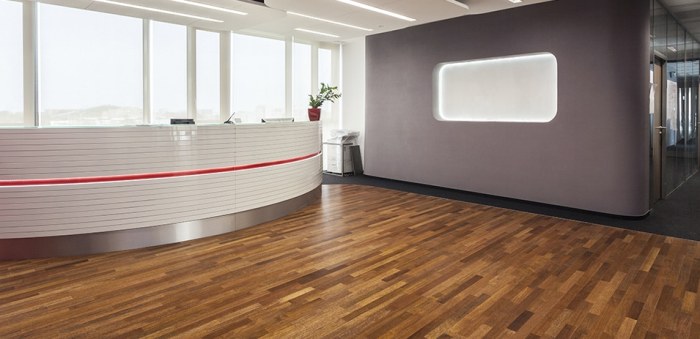
Incorporating engineered hardwood into your home can align well with Feng Shui principles, promoting positive energy flow. Wood elements are significant in Feng Shui, symbolizing growth and vitality. When arranging furniture on engineered hardwood, consider the following:
- Position furniture in a way that encourages movement and flow, avoiding cluttered spaces.
- Choose softer, natural colors to enhance the calming effect of the wood.
- Incorporate plants or natural elements to complement the wood and bring in life energy.
Home Improvement: Flooring Alternatives
When evaluating flooring options, it’s essential to compare engineered hardwood with alternatives like laminate, tile, and vinyl. Each option has unique characteristics:
| Flooring Type | Cost | Aesthetics | Installation |
|---|---|---|---|
| Engineered Hardwood | Moderate to High | Natural Wood Look | Easy |
| Laminate | Low | Variety of Designs | Very Easy |
| Tile | High | Durable and Stylish | Complex |
| Vinyl | Low to Moderate | Can Mimic Wood | Easy |
Engineered hardwood can enhance interior design aesthetics by adding warmth and character, making it a versatile choice in various home styles.
Environmental Impact
Engineered hardwood is considered more sustainable compared to traditional hardwood due to its efficient use of materials. The top layer of real wood is complemented by layers of plywood or fiberboard, which reduces the demand for solid lumber.This flooring option can contribute to green living in home improvement, particularly when sourced from responsibly managed forests. Certifications such as FSC (Forest Stewardship Council) ensure that the wood comes from sustainable sources, promoting eco-friendly practices in the industry.
Home Improvement Remodeling
Choosing engineered hardwood for remodeling projects involves several key considerations:
- Evaluate how the flooring choice impacts the overall home value, as certain materials can enhance market appeal.
- Consider how engineered hardwood coordinates with other elements in your home, such as cabinetry and trim.
- Think about the long-term benefits of investing in quality flooring that aligns with your lifestyle and design preferences.
Final Thoughts on Engineered Hardwood
When deciding on engineered hardwood for your home, consider pivotal questions such as the suitability for your environment and expected lifespan. A pros and cons table can help visualize the advantages and disadvantages:
| Pros | Cons |
|---|---|
| Durable and stable | Limited refinishing options |
| Easy to install | Moisture vulnerability |
| More affordable than solid hardwood | Lower resale value |
| Variety of design options | Repair difficulties |
Ultimately, your lifestyle and home environment play a significant role in determining whether engineered hardwood is the right fit for your needs.
Summary
In summary, while engineered hardwood presents a range of appealing benefits such as durability, a variety of designs, and ease of installation, it also has its limitations. From potential moisture issues to challenges with refinishing, it’s vital to weigh these factors against your lifestyle and home environment. By understanding both the pros and cons, you can make a well-informed choice that best suits your needs and enhances your living space.
FAQ Summary
How long does engineered hardwood last?
With proper care, engineered hardwood can last between 20 to 30 years, depending on the quality and thickness of the top layer.
Can you refinish engineered hardwood?
Yes, but the number of times you can refinish it depends on the thickness of the top layer; typically, it can be refinished once or twice.
Is engineered hardwood better for humid climates?
Yes, engineered hardwood is more resistant to moisture fluctuations compared to solid hardwood, making it a better choice for humid environments.
What is the best way to clean engineered hardwood?
Use a damp mop with a gentle cleaner specifically designed for engineered hardwood; avoid excessive water to prevent damage.
Can engineered hardwood be installed over existing floors?
Yes, engineered hardwood can often be installed over existing floors, provided the surface is level and in good condition.


