
Feng Shui home layout tips guide us in creating spaces that resonate with positive energy and promote well-being. By understanding its core principles, we can design our homes to not only look good but also feel good, enhancing our daily lives.
This ancient practice emphasizes the flow of Chi, or energy, within our spaces. With the right arrangement of furniture, colors, and materials, Feng Shui invites harmony and balance, making your home a sanctuary that reflects peace and comfort.
Feng Shui Basics
Feng Shui is an ancient Chinese practice that focuses on harmonizing individuals with their surrounding environment. The fundamental principles of Feng Shui revolve around the concept of Chi, or energy flow, which plays a crucial role in creating balanced and healthy living spaces.Chi, often referred to as life force or energy, flows through everything around us. In a home, proper Chi flow contributes to a sense of well-being, peace, and prosperity.
To create a harmonious environment using Feng Shui, consider the following tips:
Understanding Chi and Energy Flow
The flow of Chi can be influenced by the layout, colors, and arrangement of objects in your home. Here are some essential tips to enhance the energy flow:
- Clear clutter from spaces to allow Chi to flow freely.
- Utilize mirrors strategically to reflect light and energy throughout your home.
- Incorporate the five elements (wood, fire, earth, metal, and water) to balance energy.
Essential Feng Shui Home Layout Tips
Arranging your home according to Feng Shui principles can significantly promote positive energy. Proper furniture placement and room layouts can enhance the flow of Chi and create a more comfortable living environment.
Optimizing Room Layouts
Implementing Feng Shui in your home layout involves several best practices. Here are key considerations to enhance your space:
- Position sofas and chairs to face the entrance, promoting good energy flow.
- Avoid placing furniture directly in line with doors to prevent obstructing Chi.
- Make sure beds and desks are placed away from a direct line with doors for a sense of security.
Avoiding Common Mistakes
Many homeowners inadvertently make Feng Shui mistakes. Here are ways to avoid them:
- Do not overcrowd rooms with furniture, leading to stagnant energy.
- Avoid placing mirrors facing the bed, as they can disrupt sleep.
- Ensure that your home’s entrance is well-lit and inviting, which enhances energy flow.
Feng Shui and Home Improvement
Integrating Feng Shui into home improvement projects can amplify the benefits of renovations. When planning upgrades, considering Feng Shui principles can lead to a more balanced and inviting space.
Selecting Appliances Wisely
Choosing the right appliances and materials is vital. Here are tips to ensure they align with Feng Shui:
- Opt for energy-efficient appliances to promote positive Chi.
- Choose colors and designs that resonate with the intended purpose of the room.
- Incorporate natural materials like wood and stone to enhance the connection with nature.
Incorporating Feng Shui in Remodeling
When remodeling, focus on layout and flow. Consider these strategies:
- Create open spaces that invite energy rather than compartmentalized areas.
- Maintain a balance of light and dark areas to create visual interest.
- Ensure that pathways are clear and inviting, facilitating smooth energy movement.
Specific Areas and Their Feng Shui Considerations
Different areas of the home require unique Feng Shui considerations to promote well-being. By tailoring your approach based on room function, you can create harmonious living spaces.
Feng Shui Tips for Key Areas
Let’s explore Feng Shui principles for various rooms:
- Bedrooms: Position the bed to have a clear view of the door while ensuring it is not directly in line with it.
- Kitchens: Keep the stove clean and in good condition, as it represents wealth and health.
- Bathrooms: Close the lid while flushing and keep the door closed to prevent energy from escaping.
Open Floor Plans vs. Compartmentalized Spaces
Open floor plans allow for free flow of energy, while compartmentalized spaces can feel confined. Here’s how to enhance both layouts:
- In open spaces, use area rugs to define zones without blocking Chi flow.
- In compartmentalized homes, consider using folding screens or plants to create separations without barriers.
Feng Shui for Outdoor Areas
Outdoor spaces also benefit from Feng Shui. To enhance your patio or deck:
- Incorporate comfortable seating arrangements that encourage conversation.
- Utilize plants and water features to attract positive energy.
- Ensure pathways are clear and inviting, leading guests into your space.
Feng Shui for Interior Design and Decorating
Decorating your home with Feng Shui principles in mind can create a serene and positive atmosphere. Thoughtful color and material choices significantly impact energy flow.
Choosing Colors and Materials
Colors and materials should reflect the energy you wish to cultivate. Consider the following:
- Soft earth tones promote stability and tranquility.
- Bright colors can energize spaces but should be used sparingly.
- Natural fabrics like cotton and linen enhance comfort and connection to nature.
The Role of Plants and Natural Elements
Incorporating plants and natural elements enhances the Feng Shui of your space. Here are some beneficial practices:
- Use air-purifying plants like peace lilies or snake plants to improve indoor air quality and energy.
- Incorporate water features like fountains to promote calm and prosperity.
- Choose furniture made from natural materials to maintain a connection with nature.
Examples of Feng Shui-Friendly Furniture Arrangements
Effective furniture arrangements can drastically improve the energy in your rooms:
- In living rooms, arrange seating in a circular or U-shape to foster conversation and community.
- In dining areas, place the table away from walls to create a welcoming atmosphere.
- In home offices, position the desk to face the entrance without being directly in line with it.
Green Living and Feng Shui
Sustainability and Feng Shui go hand in hand, as both promote harmony with the environment. Incorporating eco-friendly practices in your home can enhance energy flow and well-being.
The Connection Between Sustainability and Feng Shui
Adopting green living principles can amplify the benefits of Feng Shui. Here are some insights:
- Using sustainable materials reduces environmental impact and promotes positive energy.
- Energy-efficient lighting and appliances align with the principle of conserving resources.
- Utilizing recycled materials in home decor enhances creativity and individuality.
Benefits of Eco-Friendly Materials
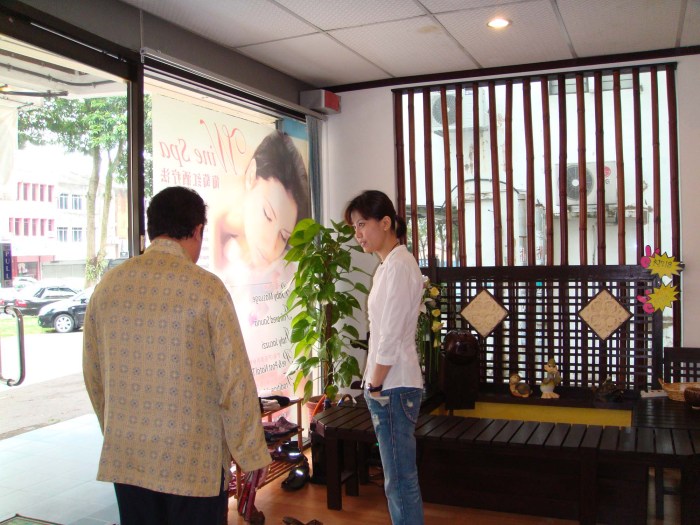
Choosing eco-friendly materials offers numerous benefits:
- Natural materials like bamboo and cork contribute to improved indoor air quality.
- Biodegradable products can reduce waste and promote a healthier planet.
- Eco-conscious choices reflect a commitment to harmony with nature, enhancing overall well-being.
Creating a Green Living Space
To create a space that adheres to Feng Shui guidelines while embracing green living:
- Use plants to improve air quality and aesthetics.
- Incorporate natural light to enhance mood and reduce energy use.
- Design flexible spaces that can adapt to changing needs while promoting positive energy flow.
Feng Shui and Home Inspections
When evaluating a home, understanding Feng Shui compatibility can help identify potential energy issues. A thorough assessment can pave the way for a more harmonious living environment.
Assessing Layout for Feng Shui Compatibility
During a home inspection, focus on key areas to ensure Feng Shui alignment:
- Evaluate the main entrance; it should be clear, well-lit, and welcoming.
- Check for clutter in common areas that might obstruct Chi flow.
- Observe the positioning of furniture and appliances in relation to doorways.
Key Areas for Feng Shui Evaluation
When assessing a property for Feng Shui, pay attention to specific areas:
- Bedrooms should promote rest; examine bed placement and decor choices.
- Kitchens are the heart of the home; assess the stove and layout.
- Living areas should support social interaction; consider seating arrangements.
Feng Shui Evaluation Checklist
Homeowners can use this checklist to assess their space:
- Is the entrance inviting and clutter-free?
- Are furniture arrangements conducive to Chi flow?
- Do rooms maintain a balance of light and dark elements?
Tools for Implementing Feng Shui
Utilizing the right tools and resources can enhance your Feng Shui efforts. Several options are available to help homeowners optimize their living spaces.
Essential Tools and Equipment
To effectively implement Feng Shui, consider using the following tools:
- Compass for determining directions and auspicious placements.
- Design software to visualize layout changes before implementation.
- Feng Shui books and guides for in-depth knowledge and tips.
Using Visualization and Design Software
Visualization tools can help homeowners plan their spaces effectively. Here are some suggestions:
- Use floor planning software to experiment with furniture arrangements.
- Incorporate mood boards to explore color schemes and decor options.
- Utilize augmented reality apps to visualize changes in real-time.
Resources for Learning More About Feng Shui
Numerous resources are available for homeowners looking to deepen their understanding of Feng Shui:
- Online courses and workshops focusing on various aspects of Feng Shui.
- Feng Shui consultants for personalized guidance and assessments.
- Books and blogs offering insights into Feng Shui practices and theories.
Enhancing Security and Comfort with Feng Shui
Feng Shui principles can be seamlessly integrated into home security measures, creating a safe and welcoming environment. The layout and design choices you make can significantly impact your sense of comfort and security.
Aligning Feng Shui with Home Security
To enhance security while adhering to Feng Shui principles, consider these strategies:
- Position exterior lighting to illuminate pathways and deter potential intruders.
- Keep entryways clear of obstructions to create a safe and inviting atmosphere.
- Utilize natural barriers like hedges or fences to create a sense of protection.
Creating a Welcoming Entrance
An inviting entrance sets the tone for your home. Here’s how to enhance it:
- Ensure the front door is well-maintained and painted in welcoming colors.
- Add plants or decorative elements that foster positive energy.
- Provide adequate lighting to make the entrance feel safe and inviting.
Ensuring Comfort While Following Feng Shui
To maintain comfort in your home while adhering to Feng Shui principles:
- Incorporate soft furnishings that promote relaxation and coziness.
- Choose calming colors for walls and decor to create a soothing environment.
- Arrange furniture to allow for clear pathways and ease of movement throughout the space.
Feng Shui Maintenance and Adaptation
Periodically reassessing the Feng Shui of your home is essential for maintaining positive energy flow. Adapting to changing circumstances can enhance your living environment over time.
Methods for Periodic Reassessment
Regular evaluations can help you adapt your space for optimal energy. Here are some methods:
- Conduct seasonal assessments to refresh décor and rearrange furniture.
- Pay attention to changes in personal circumstances and adapt your surroundings accordingly.
- Review the flow of Chi regularly, especially after significant life events.
Tips for Refreshing Spaces
Refreshing and reorganizing spaces can reinvigorate positive energy:
- Rearrange furniture to create new energy flow patterns.
- Incorporate new decor elements that align with your current desires and goals.
- Regularly declutter to maintain a clear and open atmosphere.
Seasonal Feng Shui Adjustments
Adapting your home according to the seasons can keep energy vibrant:
- In spring, focus on renewal and incorporate fresh plants and colors.
- In summer, embrace outdoor spaces and promote open windows for fresh air.
- In winter, create cozy and warm environments to foster comfort and protection.
Closing Summary
Incorporating Feng Shui into your home layout isn’t just about aesthetics; it’s about fostering a vibrant atmosphere that supports your lifestyle. From optimizing room arrangements to selecting the right décor, these tips empower you to transform your living space into a haven of tranquility.
Question & Answer Hub
What is Feng Shui?
Feng Shui is an ancient Chinese practice that focuses on the arrangement of living spaces to promote harmony and positive energy.
How can I tell if my home has good Feng Shui?
Good Feng Shui can be assessed by evaluating the flow of energy, arrangement of furniture, and overall ambiance of the space.
Can Feng Shui change my mood?
Yes, a well-designed space according to Feng Shui principles can enhance your mood and promote feelings of peace and well-being.
Do I need to hire a professional for Feng Shui?
While hiring a professional can offer in-depth insights, many Feng Shui principles can be easily applied by homeowners themselves with some research.
Can Feng Shui work in small spaces?
Absolutely! Feng Shui can be effectively applied in small spaces by maximizing energy flow and using strategic arrangements and decor.


